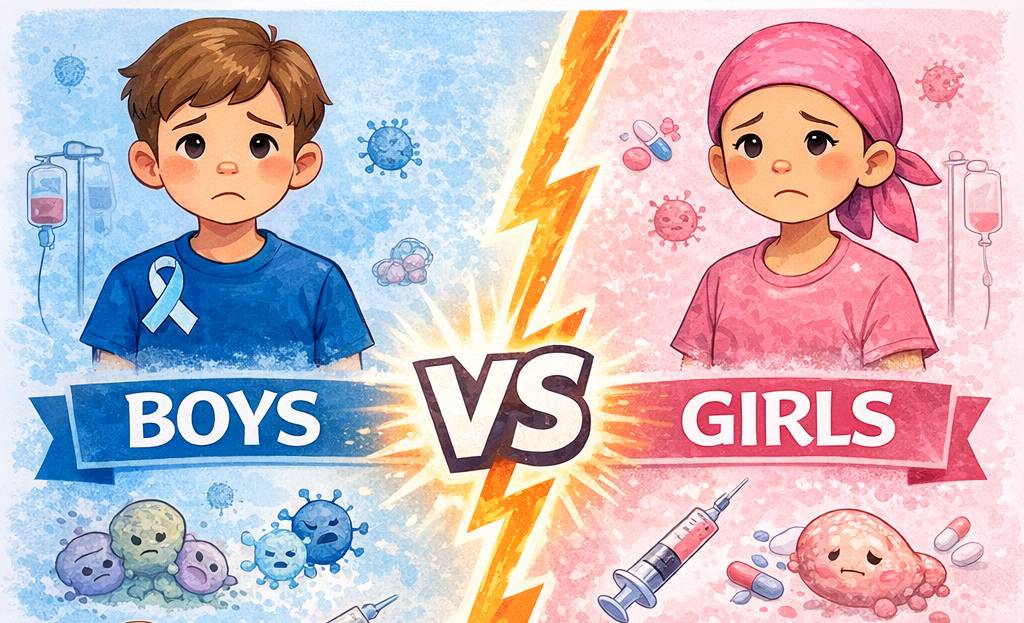
Cancer is mostly associated with adults, but there is a type of cancer that can affect children as well. Childhood cancer, although rare, is on a steep rise all over the world and boys are slightly more at risk than girls from developing certain types of childhood cancers.
Why this difference? The reasons are still being studied, but several factors may play a role:
- Biological: Variations in immune system function and hormone regulation between boys and girls.
- Environmental exposures: Boys may be more vulnerable to pollutants, toxins, or prenatal exposures.
- Genetic influences: Subtle genetic variants might predispose boys to certain cancers, though evidence remains incomplete.
Can childhood cancer be prevented?
Unlike adults, children usually don’t have lifestyle-related risk factors such as smoking or alcohol use. “However, environmental exposures, maternal health during pregnancy, and certain infections or conditions can influence risk. While not every cancer is preventable, families can take meaningful steps to lower risks.
Tips to prevent childhood cancer:
During pregnancy:
- Avoid more than two cups of coffee daily (linked to higher risk of childhood leukaemia).
- Eat a rainbow of fruits and vegetables daily; at least two servings of fresh fruits a day provide antioxidant protection for the baby.
- Avoid frequent intake of grilled, barbecued, smoked, or deep-fried foods.
- Take prenatal vitamins with folic acid as they can reduce the risk of leukaemia and brain tumours in children.
- Avoid excess fatty meats and seafood, and refined vegetable oils (sunflower, soy).
- Maintain a healthy weight and active lifestyle. Fitter mothers are more likely to have healthier babies.
- Avoid alcohol and smoking (including passive exposure from family members).
- Breastfeed if possible. Breastfeeding lowers the risk of childhood leukaemia by about 10%, and by nearly 20% when continued for six months or longer.
- Choose clean, balanced nutrition with whole grains, lentils, nuts, and fresh home-cooked meals are safer than highly processed or oily foods.
For young children:
- Encourage outdoor play and physical activity; limit screen time.
- Guard against pesticide and chemical exposure at home and workplace.
- Protect from air pollution (dense traffic zones linked with higher leukaemia risk).
- Avoid unnecessary X-rays and CT scans.
- Use sunscreen for outdoor activities.
- Ensure early screening for siblings of children with hereditary cancers like retinoblastoma.
- Monitor children with infections or genetic conditions (HIV, Down syndrome, Epstein-Barr virus) more closely.
For teenagers:
- Vaccinate against Hepatitis B (HBV) and Human Papilloma Virus (HPV).
- Educate about dangers of smoking (active and passive).
- Talk openly about safe sexual practices.
- Promote a balanced diet: at least two-thirds plant-based (fruits, vegetables, grains, legumes), less than one-third animal protein.