
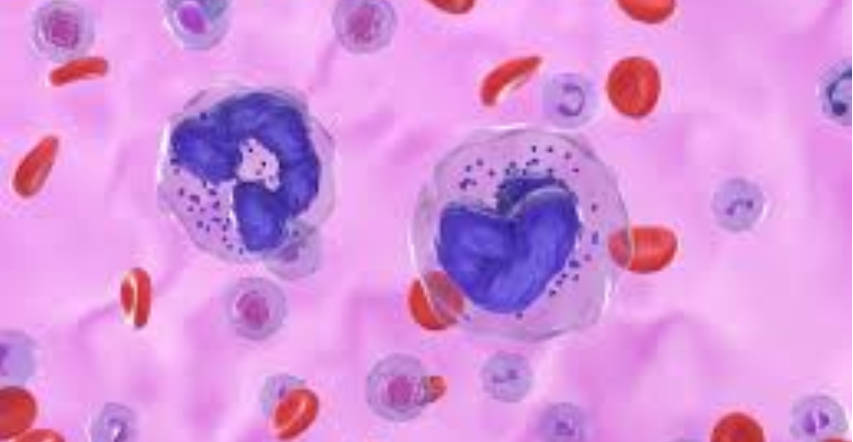
A global study of people living with chronic lymphocytic leukaemia (CLL) has identified gaps in patients’ understanding of their condition, with findings showing that knowledge about infection risk and disease monitoring is linked to quality of life.
The study, coordinated by international charity Picker and published in Frontiers in Hematology, analysed responses from 846 people with CLL who took part in the 2023 Global Leukaemia Experience Survey.
The study found that most respondents (69%) experienced symptoms before diagnosis, yet 89% did not recognise them as signs of leukaemia. Fatigue, swollen lymph nodes and fever/night sweats were the symptoms most often reported. Even after diagnosis, less than half (43%) said their diagnosis was explained in a way they fully understood.
“People with CLL often face uncertainty about symptoms, active monitoring, and their immunity status,” said lead authors Kathryn Huntley, director of the CLL Advocates Network in Bern, and Sam Salek, professor of pharmacoepidemiology in the School of Life and Medical Sciences at the University of Hertfordshire.
“When information and explanations are clear, people feel more confident and report better quality of life,” they continued.
The need for information
The study found that people who did not know their immunity status or had not received complete information about infection prevention and immunisation strategies had worse quality of life scores.
CLL is often managed without immediate treatment, meaning patients must play an active role in monitoring their condition. However, the findings suggest that many people do not feel adequately informed or supported to do so.
Given the increased risk of infections in people with CLL due to disease-related and treatment-related immunosuppression, understanding immunity status and infection prevention is essential.
The study highlights the importance of ensuring that people with CLL receive clear, accessible information and feel supported to understand and manage their condition, particularly while on active monitoring.
Read the report here
