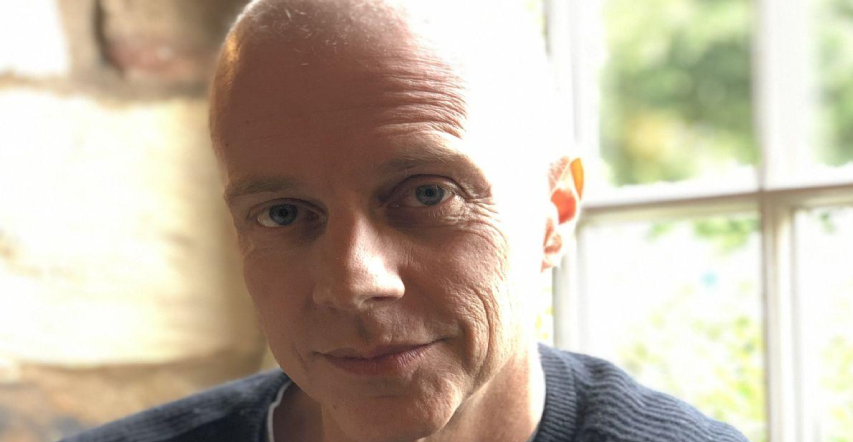
Ian Thomson, 54, from Winchester in Hampshire, was diagnosed with acute myeloid leukaemia (AML) in June 2019 after experiencing prolonged fatigue, swollen tonsils, and a lump under his arm.
Despite visiting his GP twice with these symptoms, he was never given a Full Blood Count test, a simple screening that can help detect leukaemia.
His condition deteriorated until his wife took him to A&E, where he was taken to Royal Hampshire County Hospital and finally diagnosed.
Mr Thomson said: “I saw my local GP twice, but he didn’t take it seriously.
“The symptoms got worse and by June 2019, I’d deteriorated to the point where I couldn’t get out of bed.
“It was then that my wife Amanda rushed me to A&E.”
He was diagnosed with AML, a highly aggressive form of leukaemia that requires immediate treatment.
Nearly 80 per cent of people diagnosed with AML in the UK do not survive beyond five years.
Mr Thomson underwent six months of intensive chemotherapy and was told that without a stem cell transplant, his chances of survival were low.
He received a transplant in February 2020 at Southampton Hospital through the donor register.

He said: “I’m incredibly fortunate.
“I’m back doing everything I did before, but I know how close I came to not being here.
“My diagnosis had a profound physical and mental impact on both me and my loved ones.
“While the treatment I received was incredible, I’ll never forget how my symptoms were initially dismissed.
“I don’t want anyone else to go through that – something needs to change.”
He later met his donor, Rachel, a nurse from Glasgow, after corresponding anonymously for several years.
They have since developed a close friendship.
Mr Thomson is backing Leukaemia UK’s Count Us In campaign, which calls for improved access to Full Blood Count tests and clearer referral pathways to prevent delays in diagnosis.
Fiona Hazell, chief executive of Leukaemia UK, said: “Ian’s experience is a story that we sadly hear far too often from patients and their families, with many people reaching an avoidable crisis point before they’re diagnosed.
“The Government has finally recognised the need for earlier leukaemia diagnosis in the National Cancer Plan, but recognition is only the first step – action is what saves lives.”
