One student’s choice to join a stem cell register became a life-changing gift years later for a woman battling illness in the United States.
A decision that took just a few minutes during university has become a powerful reminder of how one small act can change someone’s future.
In 2019, while studying at the University of Leeds, Matt Wilkinson signed up to become a potential stem cell donor after a visit from blood cancer charity DKMS. At the time, he had no idea whether he would ever be called upon to donate.
Six years later, that simple decision came back around.
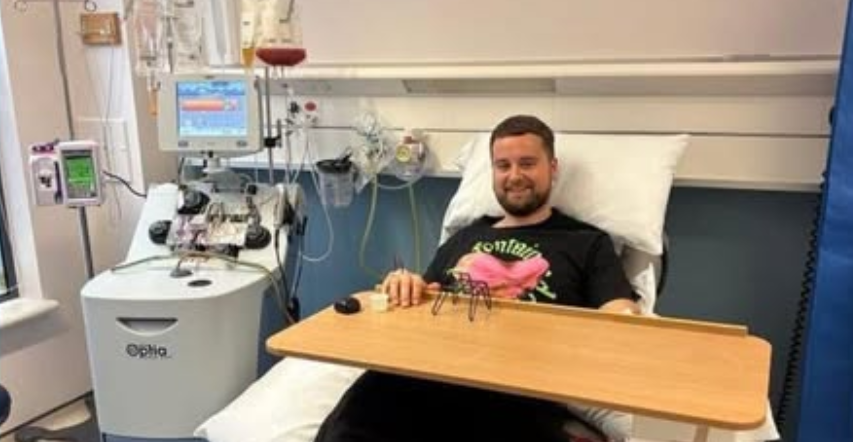
Matt received unexpected news, he had been identified as a match for a woman in the United States who needed a stem cell transplant. Within weeks, he completed the donation process, giving his stem cells to help someone he had never met.
“I know I’m lucky to be fit and healthy, so I was just glad that I was able to help someone,” Matt shared.
The recipient’s identity remains private, but Matt often thinks about the person on the other side of the world who received his donation.
“She could be a similar age to my parents,” he explained, reflecting on how he would hope someone would help his own family if they ever needed a lifesaving transplant.
Why stem cell donor’s matter
For many people living with blood cancers and serious blood disorders, finding a compatible stem cell donor can be the difference between life and death.
Unlike blood donation, finding a stem cell match is much more complex. A patient often needs a donor with closely matched genetic characteristics, making large and diverse donor registers essential.
Matt’s experience highlights a message shared by many organisations working in this area: signing up is simple, but the impact can be enormous.
A quick registration today could mean a second chance for someone tomorrow.
A call for more donors
After his experience, Matt has encouraged more people especially younger men, to consider joining stem cell donor registers.
Many potential donors join without ever being matched, but every new person increases the possibility that someone waiting for a transplant will find the person who can help save their life.
His story is a reminder that kindness does not always arrive through grand gestures.
