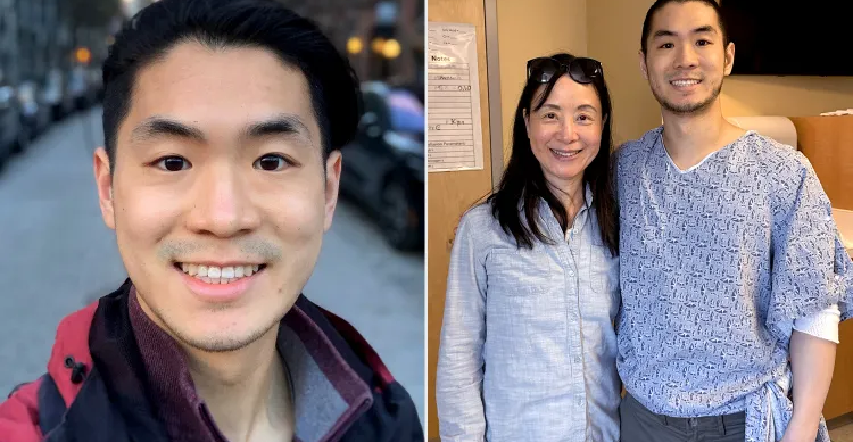
When Warren Shen first started sharing videos about his leukemia diagnosis on TikTok, he wasn’t thinking about going viral.
The 29-year-old software engineer, who was diagnosed with high-risk acute myeloid leukemia (AML) in March of this year, simply wanted to do something that might improve his chances of finding a stem cell donor, and help other patients facing the same uncertainty.
What happened next exceeded anything he could have imagined.
According to the National Marrow Donor Program (NMDP), more than 8,000 people signed up to join the donor registry after seeing Shen’s story online, including more than 5,000 people from Asian American backgrounds — a community that remains significantly underrepresented in donor databases.
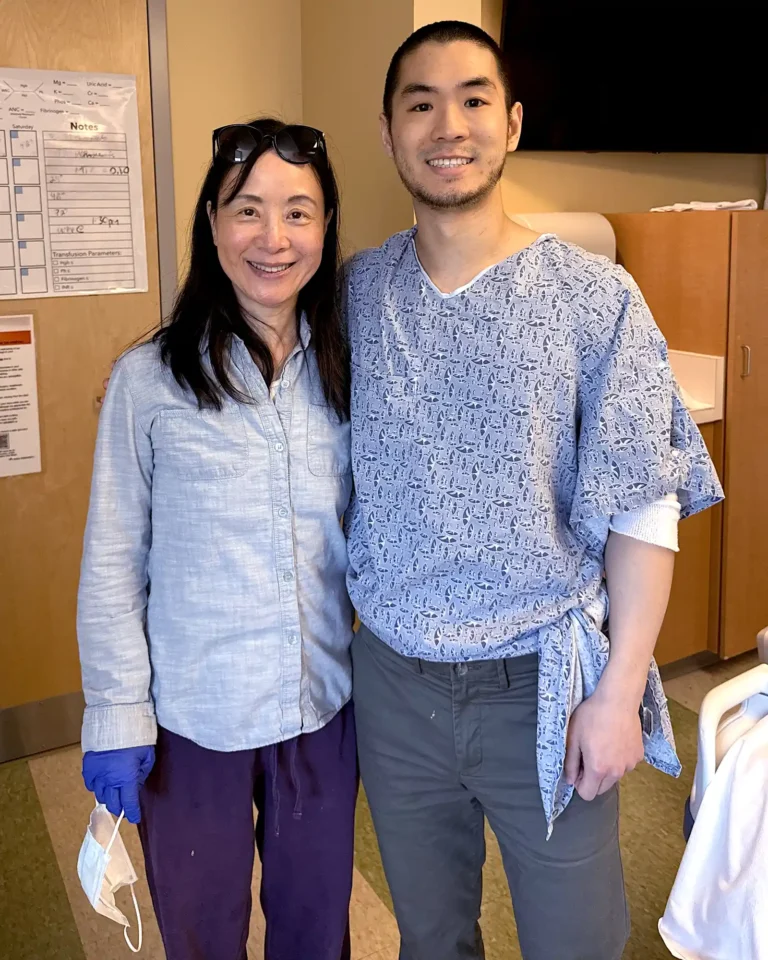
For Shen, the response has been both humbling and deeply personal.
“Honestly, what we were most excited about was seeing people comment that they registered and then, the following week, seeing people comment that they sent the kit back,” Shen tells PEOPLE exclusively. “That was really incredible.”
The idea to begin speaking publicly about his diagnosis didn’t happen overnight.
After doctors confirmed he had AML, Shen learned there was a strong possibility he would eventually need a stem cell transplant. As he and his family began researching what that process would involve, they came across NMDP and started learning more about how donor matching works.
@warrenzshen Asians and other minorities are disadvantaged when it comes to beating blood cancer. Ancestry matters when it comes to finding a suitable donor. Especially if you are Asian, please consider joining the @NMDP registry for a chance to save someone’s life. Thank you #asian #cancer #health ♬ original sound – warrenzshen
What they discovered was alarming.
Patients are most likely to find compatible donors among people with similar genetic ancestry, yet minority communities remain underrepresented in donor registries, making it more difficult for many patients to find potentially life-saving matches.
“I started to realize there was a pretty high chance I would need a transplant,” Shen says. “Then I started learning how difficult it can be for minorities to find a match.”
The issue became even more real during a conversation with another AML patient he met while undergoing treatment.
The woman told him that doctors had already identified multiple potential donor matches for her. But when she discussed the process with her transplant team, she learned the outlook would likely have been very different if her Asian husband had been the patient instead.
“She basically told me, ‘I don’t want to scare you, but I want you to know the truth,’ ” Shen recalls.
When he shared the conversation with his mother, she immediately began worrying about whether he would ever find a donor.
“That story really pushed me over the edge,” he says. “I was like, okay, I can’t do a lot right now except try to stay healthy and do the treatment as well as I can, but I can try to help get more people on the registry, both for myself and for others.”
At first, Shen had no expectations for how many people his message might reach.
In addition to posting on social media, he and his supporters were exploring traditional awareness efforts, including donor drives and outreach through friends and family. But as his videos spread online, the response quickly snowballed.
“To hear from NMDP that it went into the thousands was like, wow,” Shen says. “This has allowed us to spread the message to so many more people than we ever could have in person.”
What has been especially meaningful to him is seeing how many of those new registrants come from minority backgrounds.
“The really exciting part for me is that a large majority of those are from minority ancestry backgrounds,” he says. “I definitely want to help all patients, but specifically that was a focus for me.”
Many people still mistakenly believe donation requires an invasive bone marrow procedure, she says, when roughly 90% of donations today are collected through a process similar to donating plasma.
For Shen, the growing registry represents more than statistics.
Each new person who signs up could someday receive a phone call informing them that they are a match for someone fighting for their life.
“If you have the chance to save someone’s life, the other person would be eternally grateful,” he says. “The other option is I’m dead. There are no words to describe how thankful I would be for someone willing to do that.”
@warrenzshen I knew life was short. But not this short. I’m not ready to die yet and I really need your help to fight my leukemia cancer. Especially if you are of Asian ancestry, please consider joining the @NMDP registry. 90% of donations these days are peripheral blood, not bone marrow. Link to join the registry is in my bio. #asian #cancer #health ♬ original sound – warrenzshen
Although doctors are still evaluating potential donor matches, Shen remains hopeful about what lies ahead.
In the meantime, he hopes his story encourages more people to learn about stem cell donation and consider joining the registry themselves.
“They probably don’t know about it. They probably never heard about this,” he says. “But there is a way to legitimately save someone’s life, and it’s very easy to do. It just takes a cheek swab.”
