I was a participant in a clinical study on Chemo Brain conducted by the Eastman Performing Arts Medicine Center in Rochester, New York. This was a special program of the Eastman School of Music. This research study was based on interactive drumming. The background details can be found in my previous blog, “Chemo Brain is Real: My Experience with a Clinical Study and What It Can Teach Us.”
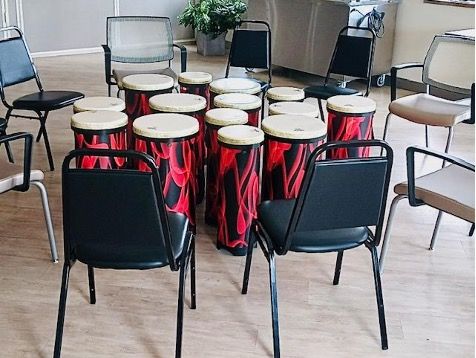
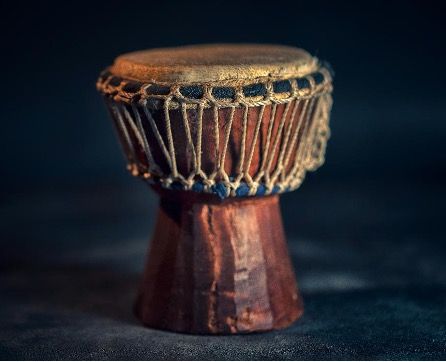
I’ve always felt that drumming is a spiritual experience. After taking my first African drumming class with Ubaka Hill at Omega Institute for Holistic Studies, I realized that drums are a form of communication used to celebrate, mourn, and inspire. And indeed, this clinical study on drumming was all about inspiration. It reminded me of an earlier workshop at Omega Institute because the drums looked much like the djembe drum I used in my African drumming class. After the clinical study session, everyone left the room feeling revived and full of energy. This made a tremendous impact on our physical and emotional well-being.
This research study demonstrated how total strangers can be brought together in a room full of drums and form a bond of connectivity and community. We all shared something in common — cancer — and we all knew what it felt like to live with it. We collaborated with our hearts, minds, and spirits. It brought together a group filled with diversity of race and gender. I believe this research study will show the health benefits of drumming and how it promotes unity and community spirit.
Each of us shared stories about our lives and our journeys with cancer. The support in the room was palpable. We all could feel it. There was one person who’d been diagnosed with stage four cancer and began to cry. The whole group felt the person’s sadness and reached out to offer comfort. As we were walking to the parking lot, without saying a word, we hugged each other — because it was all about compassion and understanding. I felt the pain shared by the others and offered solace.
I now understand how drumming may enhance our immunity: it brings joy to our spirits and allows each person to contribute. At the first session, I passed out some essays I wrote for CURE magazine. Some participants read them right away and told me how helpful they were.
When I knew I couldn’t make the last session, I sent copies of more of my articles from CURE to all the members of the group. Everyone was thankful for that. Although I wasn’t present in body, I felt present in spirit because of the connection I had with everyone in the group. I carried that positive support with me, even during my hospital stay.