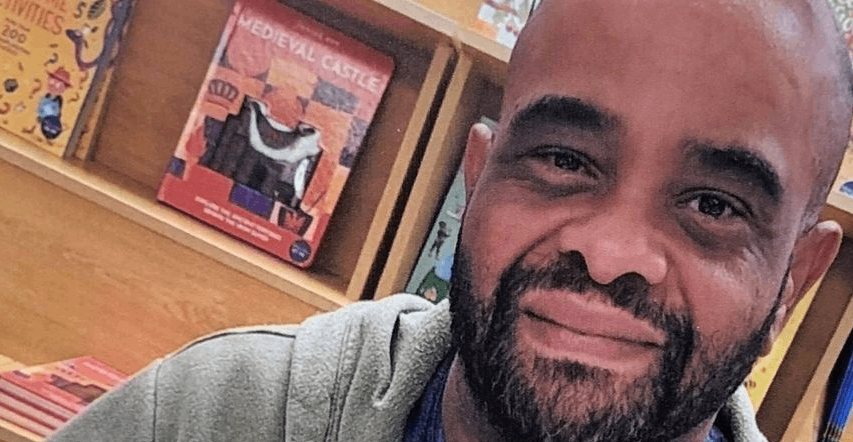
John, from Telford, was diagnosed with Sézary syndrome, an extremely rare form of blood cancer, in 2022 after years of unexplained and increasingly severe symptoms.
John’s journey to diagnosis was a long and difficult one.
His problems began after a trip to the United States in 2016. He developed swelling around his neck and subsequently experienced increasingly severe problems with his skin.
His symptoms included intense itching, peeling and cracking skin, as well as painful lesions. Despite repeated visits to doctors and specialists, his condition was initially attributed to conditions such as eczema and psoriasis.
According to his wife, Jenny, the family spent years seeking answers. John visited numerous hospitals and specialists before eventually changing GP.
After around six years of unexplained illness, his new GP recognised that his symptoms could indicate blood cancer. He was referred to haematology specialists at Queen Elizabeth Hospital Birmingham, where he was diagnosed with Sézary syndrome.
What is Sézary syndrome?
Sézary syndrome is a rare and aggressive type of cutaneous T-cell lymphoma. It affects the blood, lymph nodes and skin and can cause widespread skin redness, itching, peeling and other debilitating symptoms.
For John, treatment has included extracorporeal photopheresis (ECP), chemotherapy and immunotherapy. According to DKMS, earlier treatments were unsuccessful and his current immunotherapy is helping to control the disease rather than providing a cure.
John has described the physical and emotional impact of living with the disease, including constant fatigue, pain and anxiety about his future.
In 2024, he explained that even something as ordinary as catching a cold could potentially become extremely serious because of his weakened immune system.
Even his identical twin could not donate
One of the most heartbreaking aspects of John’s story is that his identical twin brother, Philip O’Connor, could not provide the stem cells he desperately needs.
John and Philip were tested, along with other members of John’s family, but there was no suitable related donor.
Although being an identical twin might seem to make Philip the obvious donor, John’s particular disease meant that a transplant from his twin would not provide the necessary treatment. His disease could continue to affect the transplanted cells.
That left John dependent on finding an unrelated donor.
Philip has spoken openly about the emotional impact of watching his twin brother search for a donor.
He described John as his best friend and said the uncertainty had made it difficult for him to sleep because he was constantly worried about his brother.
His Jamaican heritage makes finding a match harder
John is of Jamaican heritage, which is an important factor in his search for a suitable donor.
Stem cell compatibility is based on inherited genetic characteristics known as human leukocyte antigens (HLA). Because these characteristics are inherited, a patient’s chances of finding a suitable unrelated donor can be influenced by their ethnic and genetic background.
For people from ethnic minority backgrounds, finding a matching donor can be significantly more difficult than people of white European ancestry.
For John, this means that the person who could potentially save his life may be someone he has never met and they may be somewhere in the African or Caribbean communities.
A search that has brought communities together
John’s situation prompted organisations including DKMS UK, African Caribbean Leukaemia Trust, Race Against Blood Cancer and Anthony Nolan to work together to encourage more people to join the stem cell register.
A donor recruitment event in Birmingham attracted more than 200 potential donors, demonstrating the willingness of communities to come together to help John and other patients facing the same challenge.
But one successful registration drive cannot solve the wider problem.
There are thousands of people around the world who may need a stem cell transplant, and the chances of finding a match improve when donor registers accurately reflect the diversity of the populations they serve.
John’s message is bigger than one person
John’s search is about more than finding one donor.
It highlights a wider issue in blood cancer care: patients need potential donors from every ethnic background.
A person who joins a stem cell register may never be called to donate. But if they are identified as a match, their decision to register could ultimately give another person a second chance at life.
For someone like John, that possibility means everything.
In 2024, John spoke about trying to remain positive despite the uncertainty surrounding his condition.
“I’ve got to stay strong and focused.”
He continued to hope that somewhere there was a donor who could give him the chance of a future.
Could you be someone’s match?
John’s story is a reminder that you could be the person someone has been waiting for.
If you are eligible to join a stem cell donor register, consider registering and encourage your family, friends and colleagues to do the same.
