
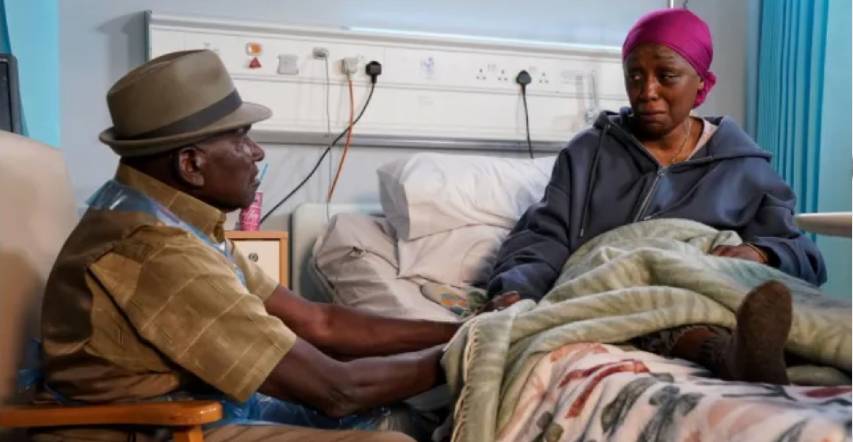
The residents of Albert Square are preparing for an emotionally charged reunion as Walford patriarch Patrick Trueman returns to EastEnders amidst a devastating family crisis. The BBC serial drama is currently delivering one of its most poignant storylines of the decade, chronicling Denise Fox’s harrowing battle with an aggressive form of blood cancer.
Denise, portrayed with remarkable depth by Diane Parish for over two decades, has been diagnosed with Acute Myeloid Leukaemia (AML). The diagnosis, which requires immediate and intense medical intervention, has completely upended the Fox-Trueman household. As Denise endures a grueling four-week isolation period on a cancer ward to undergo intensive chemotherapy, the psychological and physical toll is rippling through her family.
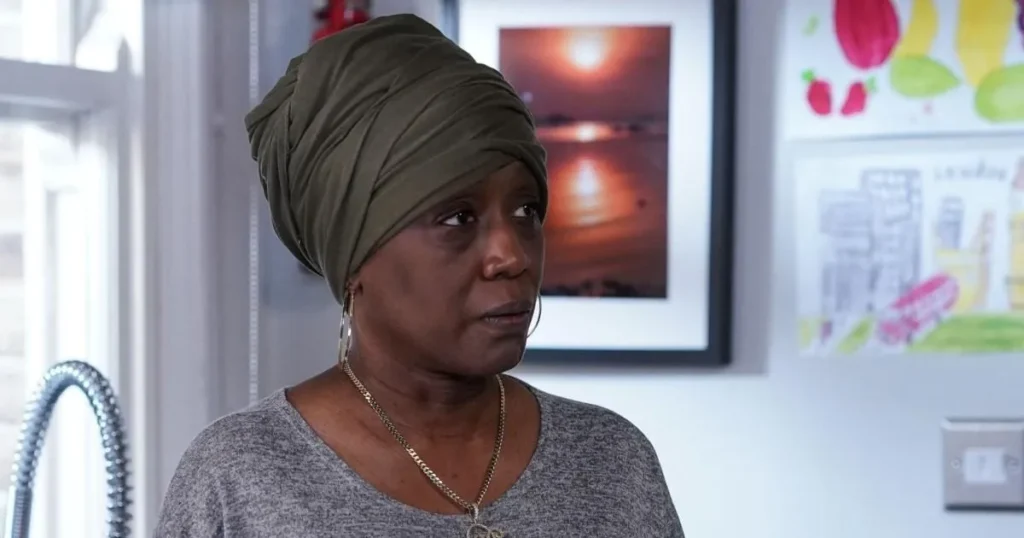
Patrick Trueman (played by television legend Rudolph Walker) has been absent from the Square since May, having travelled to Scotland to support his grandchildren following the death of his son, Anthony. His departure tragically preceded Denise’s diagnosis, leaving her to face the initial shock and the terrifying commencement of her treatment without her primary father figure.
Upon his return to Walford next week, Patrick is immediately confronted with the grim reality of Denise’s situation. The reunion is heavily laden with emotion; Denise has just been informed that her first round of chemotherapy did not yield the results her oncologists had hoped for. Furthermore, she is grieving the sudden loss of a fellow cancer patient with whom she had bonded during her isolation.
The Clinical Reality of Acute Myeloid Leukaemia
The executive production team at EastEnders has partnered extensively with Blood Cancer UK to ensure the depiction of AML is both scientifically accurate and deeply respectful to real-world patients. AML is an aggressive cancer of the myeloid line of blood cells, characterized by the rapid growth of abnormal cells that build up in the bone marrow and blood.
The storyline does not shy away from the brutal reality of the treatment protocol. Denise’s extreme lethargy, the necessity of absolute isolation to prevent fatal infections, and the crushing disappointment of failed chemotherapy rounds are depicted with unflinching realism. This commitment to authenticity elevates the narrative beyond standard soap opera melodrama into vital public health broadcasting.
Family Tensions Deepen as Grandson Faces Danger
Compounding Denise’s medical trauma is a fierce internal family conflict. Her daughter, Chelsea Fox (Zaraah Abrahams), has controversially allowed Shelia Atkins—the grandmother of murderous ex Gray Atkins—into the life of her young son, Jordan. Denise views this as a profound betrayal and an unacceptable risk to her grandson’s safety.
Patrick’s immediate priority upon his return is attempting to broker a fragile peace between Denise and Chelsea. However, spoiler previews indicate that Denise’s fierce protective instincts regarding Shelia Atkins are entirely justified, setting the stage for an explosive confrontation.
Why EastEnders’ Leukaemia Story Resonates
Representation of cancer in television dramas matters, particularly for ethnic minority communities, who are often underrepresented in these stories.
EastEnders has portrayed the fear, uncertainty, and urgency of an acute leukaemia diagnosis with remarkable authenticity. The speed of events, the emotional toll, and the way cancer impacts not only the body but also relationships, identity, and a person’s sense of security all felt deeply true to life.
Just as importantly, the storyline shines a light on the realities of blood stem cell donor matching. Seeing this represented on a mainstream programme has the power to inspire someone to join the donor register, reassure families that they are not facing this journey alone, or encourage people to recognise symptoms and seek medical advice sooner.
If this storyline motivates even one person to take action, it will have made a meaningful difference.
