The transplant was performed on 18 April 2026 on a 40-year-old woman who had been living with aplastic anaemia for approximately a decade.
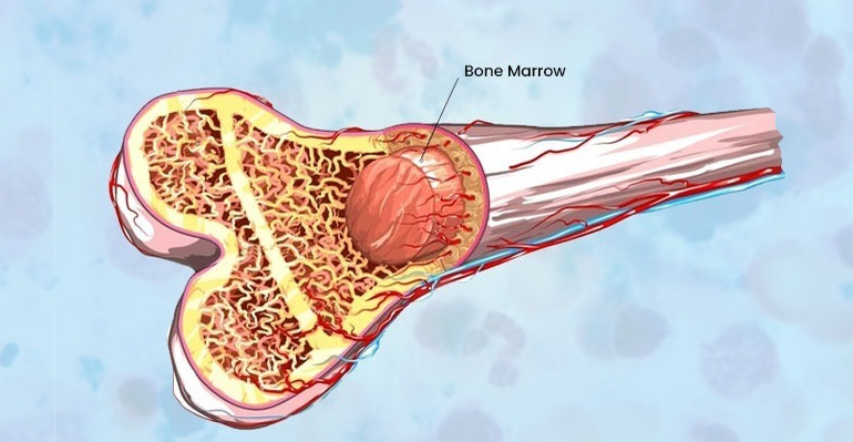
Her condition had progressively worsened despite multiple treatments, leaving her bone marrow unable to produce sufficient healthy blood cells. Doctors therefore pursued a stem cell transplant to replace her failing bone marrow with healthy blood-forming stem cells.
A remarkable recovery
Six months after the transplant, the results have been encouraging.
The donated bone marrow successfully engrafted, restoring the patient’s blood counts. She no longer requires blood or platelet transfusions and has achieved full donor chimerism.
This means that her blood and immune system are now being produced entirely by the donor’s stem cells.
Importantly, she has not experienced graft-versus-host disease (GVHD), a potentially serious complication in which donated immune cells attack the recipient’s body.
The transplant team was led by Dr Felix Mensah at Franciscan Health, with bone marrow supplied by Ossium Health.
Why this breakthrough matters
Bone marrow transplantation has been used for decades to treat blood cancers and other serious blood disorders.
However, this development represents an important advancement in how donor bone marrow can be sourced.
Traditionally, patients requiring bone marrow transplants depend on living related or unrelated donors who must undergo a collection procedure.
Recovering and banking bone marrow from deceased organ donors could help expand the availability of this important treatment option without requiring a living donor to undergo surgical bone marrow collection.
This is particularly significant for non-malignant conditions such as:
- Severe aplastic anaemia.
- Sickle cell disease.
- Beta thalassaemia.
- Other inherited and acquired bone marrow failure disorders.
For these conditions, bone marrow-derived stem cells are often preferred because they are associated with a lower risk of chronic graft-versus-host disease compared with peripheral blood stem cells.
The continuing importance of stem cell donors
While this breakthrough introduces another potential source of donor bone marrow, finding a suitable stem cell donor remains a major challenge for many patients.
Genetic background plays an important role in donor matching. Patients are more likely to find suitable matches among people who share similar ancestral backgrounds.
This makes greater diversity within stem cell donor registries particularly important, especially for patients from Black, Asian and other underrepresented ethnic communities.
More people registering as potential stem cell donors can help improve the chances of finding suitable matches for patients who need life-saving transplants.
Hope through continued medical innovation
The successful transplant demonstrates how innovation in donor sourcing could expand treatment possibilities for people living with serious blood disorders.
Although this is one reported case and further research and clinical experience will be needed to establish wider applications, it represents an encouraging step forward.
Every breakthrough brings hope. Every donor creates an opportunity. And every effort to improve access to stem cell transplantation brings us closer to a future where more patients can find the treatment they need.
