
The recent news that BBC presenter Maryam Moshiri has been living with polycythaemia vera (PV), a rare and incurable but treatable blood cancer, has brought renewed attention to the importance of blood cancer awareness. Her condition was discovered through blood tests despite her initially having few noticeable symptoms.
Her experience is an important reminder that some blood cancers can be difficult to detect and that symptoms can vary significantly between individuals.
Blood cancer symptoms can sometimes be difficult to recognise. Many of the signs are common and may be caused by other illnesses, stress or everyday health conditions.
However, persistent or unexplained changes in your health should never be ignored.
What is blood cancer?
Blood cancers, also known as haematological cancers, affect the production and function of blood cells. They can develop in the:
- Blood
- Bone marrow
- Lymphatic system
The three most commonly recognised types are:
Leukaemia
Leukaemia affects blood-forming cells, usually within the bone marrow.
Lymphoma
Lymphoma affects lymphocytes, a type of white blood cell that forms part of the immune system.
Myeloma
Myeloma affects plasma cells in the bone marrow.
There are also other types of blood cancer and related conditions, including myelodysplastic syndromes (MDS) and myeloproliferative neoplasms (MPNs).
What are the symptoms of blood cancer?
Blood cancer symptoms vary depending on the specific condition and the individual.
Some people experience several symptoms, while others may experience very few. Certain slow-growing blood cancers may also be discovered during routine blood tests before noticeable symptoms develop.
- Persistent fatigue and unusual tiredness
Feeling tired is common, but blood cancer-related fatigue can be more than ordinary tiredness.
You may experience:
- Persistent exhaustion
- Weakness
- Low energy that does not improve with rest
- Difficulty carrying out normal daily activities
Persistent fatigue is one of the most commonly reported symptoms across different types of blood cancer.
- Frequent or persistent infections
Blood cancers can affect the body’s ability to produce healthy blood cells and fight infection.
Possible signs include:
- Getting infections more frequently
- Repeated infections
- Infections that take longer to recover from
- Persistent fever
- Feeling hot, cold or shivery
- Unexplained bruising or bleeding
Bruising or bleeding without an obvious reason can occur when blood cancer affects the body’s ability to produce enough healthy platelets.
Symptoms may include:
- Bruising easily
- Unexplained bruises
- Frequent nosebleeds
- Bleeding gums
- Bleeding that takes longer than usual to stop
- Small red or purple spots on the skin
- Swollen lymph nodes or unexplained lumps
A painless lump or swelling can be a common symptom of lymphoma.
Swollen lymph nodes may appear in the:
- Neck
- Armpits
- Groin
Not all lumps are caused by cancer, but persistent or unexplained swelling should be checked by a healthcare professional.
- Unexplained weight loss
Losing weight without trying may be associated with several blood cancers.
Unexpected weight loss should be investigated, particularly when it occurs alongside other symptoms such as fatigue, night sweats or persistent infections.
- Night sweats
Night sweats can have many causes. However, persistent or drenching night sweats, particularly when they regularly disturb your sleep or occur alongside other symptoms, may require medical investigation.
Night sweats can occur with leukaemia and lymphoma, as well as other conditions.
- Shortness of breath
Feeling unusually breathless can occur when blood cancer affects the production of healthy red blood cells.
You may notice breathlessness during everyday activities that would normally not cause difficulty.
- Looking unusually pale
Paleness can be associated with anaemia and may occur when the body does not have enough healthy red blood cells.
It may occur alongside:
- Fatigue
- Weakness
- Breathlessness
- Headaches
- Bone or joint pain
Persistent pain in the bones or joints can be associated with some blood cancers.
Myeloma, for example, may cause bone pain, particularly in the:
- Back
- Hips
- Shoulders
- Ribs
- Headaches or changes in vision
Headaches and visual disturbances can occur in some blood cancers.
Maryam Moshiri has spoken about symptoms including headaches, blurred vision, fatigue and night sweats in relation to polycythaemia vera.
These symptoms can have many other causes, but persistent or unexplained changes should be discussed with a healthcare professional.
- Itchy skin or unexplained rash
Persistent itching or skin changes without an obvious cause can occur with certain blood cancers.
Itchy skin is recognised as a possible symptom of lymphoma, while severe itching has also been reported in polycythaemia vera.
- Abdominal pain, swelling or feeling full quickly
Some blood cancers can cause enlargement of organs such as the spleen.
Possible symptoms include:
- Abdominal discomfort
- A swollen tummy
- Feeling unusually full
- Pain or pressure in the abdomen
- Loss of appetite
A reduced appetite can sometimes occur alongside other symptoms, including weight loss and abdominal discomfort.
It is particularly important to seek advice if a loss of appetite is persistent or accompanied by unexplained weight loss.
- Feeling unusually thirsty or needing to urinate more often
Myeloma can affect the kidneys and may cause symptoms including:
- Increased thirst
- Needing to urinate more frequently
- Changes associated with reduced kidney function
Can blood cancer have no symptoms?
Yes.
Some blood cancers can develop slowly and may not cause obvious symptoms in their early stages. In some cases, they are discovered through routine blood tests.
Maryam Moshiri’s experience of being diagnosed with polycythaemia vera after blood tests despite initially having few noticeable symptoms demonstrates why blood cancers can sometimes be described as “hidden” or difficult to recognise.
This is why paying attention to persistent changes in your health and attending medical appointments is important.
Blood donation and blood cancer patients
For many people living with leukaemia and other blood cancers, donated blood components can form an essential part of treatment and care.
NHS Blood and Transplant states that donated blood is used to treat people with conditions including cancer and blood disorders, and that approximately 5,000 blood donations are needed every day to meet the needs of patients across England.
Patients with blood cancers may require red blood cells to treat anaemia and platelets to help manage or prevent serious bleeding. Declining donor numbers can therefore create additional pressure on the blood supply and make continued donor recruitment especially important.
The Kevin Kararwa Leukemia Trust believes that raising awareness must go beyond recognising symptoms. It must also encourage communities to support patients through:
- Blood donation
- Stem cell donor registration
- Education and awareness
- Community outreach
- Support for people and families affected by blood cancer
A strong and diverse donor community can make a real difference to people undergoing treatment.
Looking After Your Emotional Wellbeing
A blood cancer diagnosis can affect far more than physical health.
Whether someone is waiting for tests, receiving a diagnosis, undergoing treatment or supporting a loved one, the emotional impact can be significant. Feelings of fear, anxiety, uncertainty, stress and isolation can all be part of the experience.
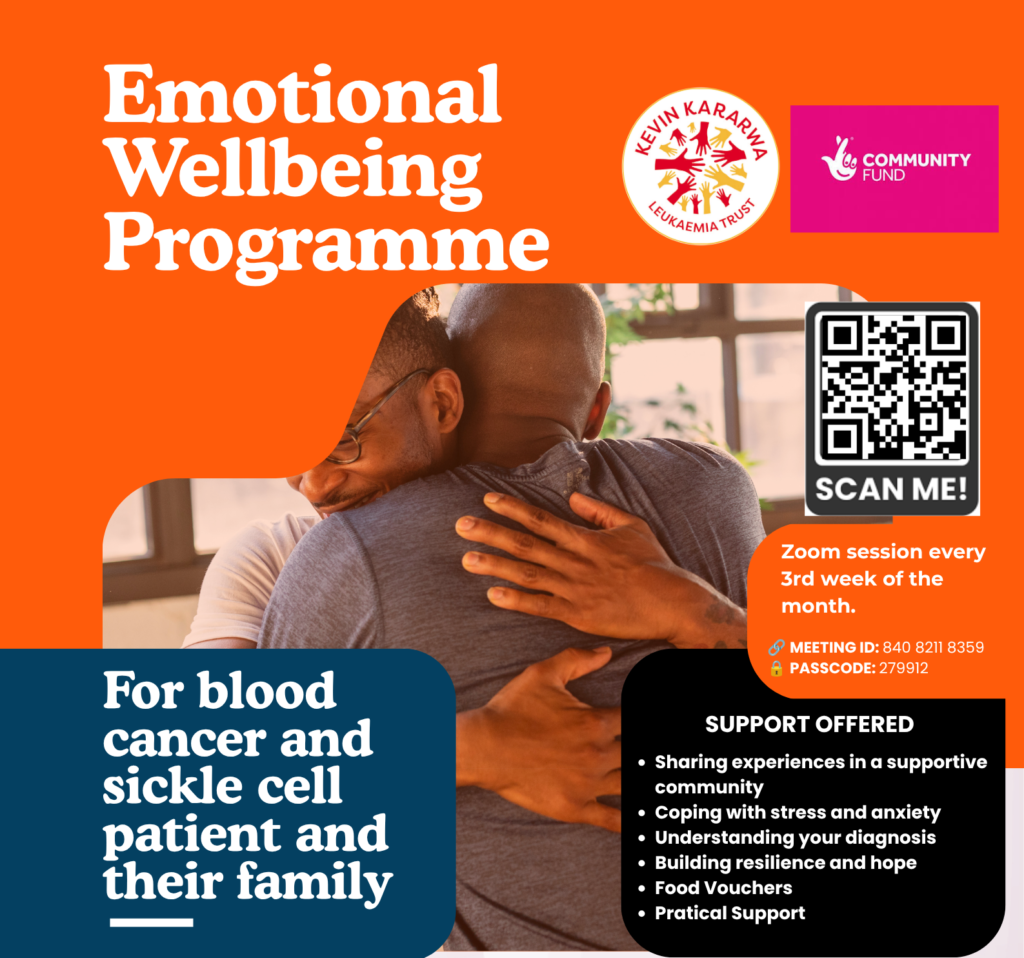
This is why the Kevin Kararwa Leukaemia Trust’s Emotional Wellbeing Programme is an important part of supporting people affected by leukaemia and other blood cancers.
Our programme recognises that emotional wellbeing is an essential part of the wider journey. We aim to provide support, encouragement and a safe space for individuals and families who may be navigating the challenges that come with a blood cancer diagnosis.
Support can be particularly important when:
- You are worried about symptoms or awaiting test results
- You have recently received a blood cancer diagnosis
- You are undergoing treatment
- You are living with the long-term impact of blood cancer
- You are supporting a family member or loved one
- You are experiencing feelings of anxiety, stress, fear or isolation
No one should feel that they have to face the emotional challenges of blood cancer alone.
Emotional Wellbeing Support
If you or someone you know has been affected by leukaemia or another blood cancer and would like emotional wellbeing support, explore the Kevin Kararwa Leukemia Trust Emotional Wellbeing Programme to find out more about the support available.