
A new national clinical trial led by researchers at the University of Southampton is set to investigate a chemotherapy-free treatment approach for people living with relapsed or refractory Hairy Cell Leukaemia (HCL).
Researchers at the University of Southampton have secured $1.75 million in funding to lead the first UK-wide multicentre clinical trial specifically designed to investigate a fully oral treatment combination for this rare form of blood cancer.
The MAYFLOWER-HCL trial aims to explore whether targeted treatments could help control Hairy Cell Leukaemia while reducing the need for traditional chemotherapy and its associated side effects.
What is Hairy Cell Leukaemia?
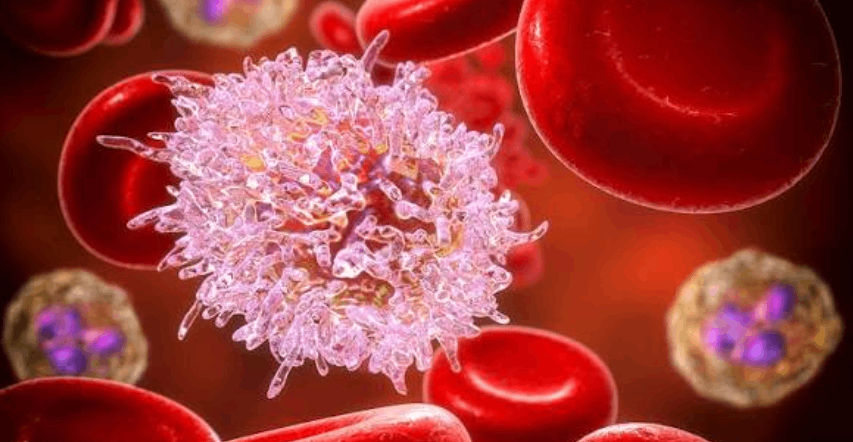
Hairy Cell Leukaemia is a rare type of chronic blood cancer that affects B lymphocytes, a type of white blood cell.
The disease gets its name from the unusual “hair-like” projections that can be seen on affected cells under a microscope.
In HCL, abnormal B cells can build up in the bone marrow and blood, interfering with the body’s ability to produce healthy blood cells. This can increase the risk of infections, anaemia and bleeding.
Around 230 people are diagnosed with Hairy Cell Leukaemia in the UK each year, making it an uncommon cancer.
Why is a chemotherapy-free approach being investigated?
Traditional chemotherapy can be effective in treating Hairy Cell Leukaemia, but it can also cause significant side effects and long-term toxicities.
Some people with HCL may also experience a relapse, meaning the cancer returns after treatment.
Researchers are therefore investigating treatments that target the biological mechanisms that help the cancer cells survive.
Professor Francesco Forconi, Professor of Haematology at the University of Southampton, is leading the trial.
The research team hopes that targeting the underlying biology of HCL could provide an alternative approach to more toxic chemotherapy-based treatments.
How will the MAYFLOWER-HCL trial work?
The phase II trial will investigate a combination of two targeted oral medicines:
- Sonrotoclax – a next-generation BCL2 inhibitor designed to promote the death of cancer cells.
- Zanubrutinib – a BTK inhibitor that blocks signals involved in the survival of abnormal B cells.
The two medicines target different pathways involved in the survival and growth of HCL cells.
By targeting both pathways simultaneously, researchers will investigate whether the combination can stop abnormal B cells from surviving and growing.
A national collaboration
Because Hairy Cell Leukaemia is rare, recruiting enough patients for clinical research can be challenging.
MAYFLOWER-HCL is significant because it is described by the University of Southampton as the first multicentre clinical trial ever designed in the UK for Hairy Cell Leukaemia.
The trial will be coordinated by the Southampton Clinical Trials Unit and is expected to recruit patients through five major UK university hospitals:
- University Hospital Southampton
- The Royal Marsden Hospital, London
- Leeds Teaching Hospitals
- University Hospitals of Leicester
- University Hospitals Birmingham
The trial is sponsored by University Hospital Southampton.
What could this mean for people living with HCL?
The trial is still being established, so it is too early to know whether the treatment combination will prove more effective or safer than existing approaches.
Researchers hope, however, that the study could contribute to future treatment options for people whose Hairy Cell Leukaemia has returned or has not responded adequately to previous treatment.
The research also highlights the importance of clinical trials for rare blood cancers, where relatively small patient populations can make it more difficult to develop and evaluate new treatments.
The trial aims to begin recruiting patients by the end of 2026.
Why clinical trials matter
Clinical trials play an important role in improving the way blood cancers are diagnosed and treated.
They allow researchers to carefully investigate new medicines and treatment approaches, collecting evidence about their effectiveness, safety and potential side effects.
For people living with a rare blood cancer such as Hairy Cell Leukaemia, research such as MAYFLOWER-HCL could help expand understanding of the disease and explore new treatment options.
However, a clinical trial is not automatically suitable for everyone. Eligibility depends on factors such as the type and stage of disease, previous treatments and overall clinical circumstances. Anyone interested in taking part should discuss their options with their haematology team.
The bigger picture
The MAYFLOWER-HCL trial represents an important area of research into targeted, chemotherapy-free treatment for rare blood cancers.
While further research is needed, the study demonstrates how collaboration between researchers, clinical trials units and NHS hospitals can help investigate new approaches for patients with cancers where treatment options can be limited.
For people affected by Hairy Cell Leukaemia, developments such as this offer an important reminder of the continuing investment in research into rare blood cancers.
Source: University of Southampton, Southampton leads first national trial of chemotherapy-free treatment for a rare blood cancer,
- Free to join
- Families welcome
- Culturally sensitive
Emotional Wellbeing Support Programme
A warm, safe space for people affected by blood cancer, sickle cell and other blood disorders, and for the families & carers who walk alongside them. Come as you are. You don't have to explain, and you don't have to do this alone.
